Home Maintenance in Ohio | HomeDaddy – One Expert, One Portal

Members-Only Home Services Network: Why HomeDaddy’s Vetted Handyman Marketplace Alternative Works

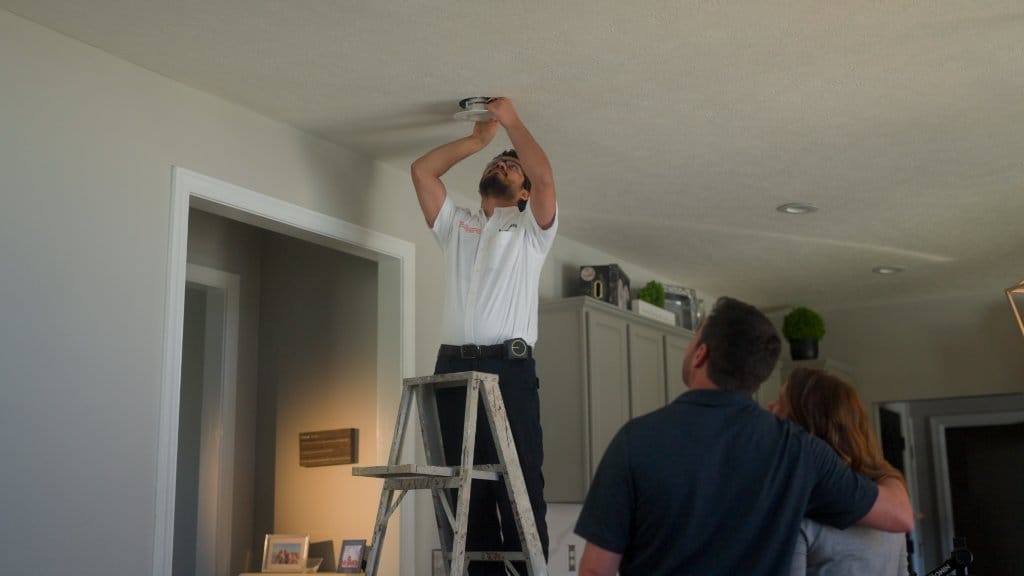
Dedicated handyman service – HomeDaddy employee

There are two ways to find someone to fix your roof. The first is the way most homeowners do it: type the problem into Google, get blanketed by sponsored results from Angi, HomeAdvisor, and Thumbtack, click one, fill out a form, and within minutes have your phone ringing from contractors who’ve never met you and havealready paid for your information. The second is the way HomeDaddy members do it: open the app, tell us what’s needed, and a vetted professional we already work with already insured, already accountable, already trained on what your home actually requires shows up to handle it. These aren’t two versions of the same thing. They’re opposite economic models that only look similar on the surface. This is what a members-only home services network looks like in practice. The open-marketplace model Angi, HomeAdvisor, Thumbtack, Yelp is a lead generation business. The homeowner is the product. Contractors pay the platform up to $150 or more per lead, and that cost gets passed back to the homeowner in higher quotes, aggressive sales calls, and a constant pressure for the contractor to close fast and move on. In 2023, the FTC required HomeAdvisor to pay up to $7.2 million over deceptive marketing of those leads. The Better Business Bureau gives HomeAdvisor an F rating. That’s not a brand problem it’s a structural one. When the platform makes its money selling you out, your interests aren’t aligned with theirs. HomeDaddy is built on the opposite economics. Members pay us. Vendors don’t. That single change who the customer is flips everything else about how the system works. The Problem We’re Actually Solving If finding a good contractor were just a search problem, Angi would have solved it years ago. According to a 2024 analysis of open vs closed home service marketplaces, open platforms create structural misalignment between what homeowners need and how vendors get paid. It isn’t. It’s a trust transfer problem and that’s a fundamentally different category. When you let someone into your home to work on something you don’t fully understand, you’re not buying a service. You’re transferring trust to a stranger, hoping they’re competent, honest, fairly priced, properly insured, and that they won’t disappear if something goes wrong six months later. Open marketplaces can’t solve trust transfer at scale. Their economics don’t allow it. Here’s why: The platform’s only real incentive is to keep the lead-flow flywheel turning. Quality is somebody else’s problem yours, specifically, after you sign the contract. This is the gap HomeDaddy home management system was built to close. Not by being a “better marketplace,” but by being a members-only home services network a different category entirely. We’re a home management system that includes a vendor network as one of its functions, the way a private bank includes investment advisors as one of its functions. The vendors aren’t the product. The member’s home is. The Three Principles That Keep This Network Honest Every decision we make about who works on a member’s home runs through three principles. They’re worth stating plainly because they explain everything else in this article. How a Vendor Joins the HomeDaddy Network The bar is high, the process is slow, and we say no often. Here’s what it actually takes. Stage 1 — Initial Vetting Every vendor we evaluate goes through a baseline check that covers what most marketplaces stop at and we treat as merely the entry point. Roughly two-thirds of applicants don’t make it past Stage 1. Most often the failure point is insurance many small operators carry policies that don’t actually cover residential work, or have lapsed coverage. We check, and we keep checking. Documentation doesn’t just catch bad vendors – it also reveals the true cost of skipping maintenance. Read the data → Stage 2 — Reputation and Reference Audit This is where most platforms stop pretending. We start. Reputation isn’t a star rating. It’s a pattern. We’re looking for vendors whose pattern is consistency not whether they’ve ever had a one-star review (everyone has), but whether they handled it well, owned mistakes, and made it right. Stage 3 — Trial Work Before any vendor handles a member’s home, we observe a job. We send the vendor to a controlled job sometimes for a HomeDaddy team member’s own home, sometimes for a long‑standing member who has volunteered to host trial work in exchange for a credit. We watch how they show up. Are they on time? Do they explain what they’re doing? Do they protect the home (drop cloths, shoe covers, careful with finishes)? Do they upsell aggressively or stick to the actual scope? Do they leave the work area cleaner than they found it? These are the things that don’t show up on a license. They’re the things that determine whether a member is going to be glad they used the network or quietly regret it. Stage 4 — Onboarding and Standards Alignment Vendors who clear the first three stages sign onto the network with explicit standards: Onboarding takes 4–8 weeks. We don’t rush it. Vendors who can’t sit through it patiently usually can’t sit through complex jobs patiently either, and we’ve learned that early. See how we manage complex home projects with ease. How the Network Stays Honest (Long After Onboarding) Vetting at the start is the easy part. Most marketplaces vet at least nominally when a vendor signs up, then never look again. Quality decays from there. HomeDaddy operates a continuous accountability loop. Three mechanisms keep the network honest after the initial vetting is done. Mechanism 1 — Member Feedback Loop After every job, members rate the work and the experience. Not a five‑star vanity rating a structured review of the things that actually matter: punctuality, communication, scope adherence, cleanliness, pricing transparency, and outcome quality. Vendors with declining patterns get flagged automatically. We talk to them. If the pattern continues, they leave the network. There’s no appeal‑and‑relist mechanism. We’d rather lose a vendor than lose a member’s trust. Mechanism 2 — Recurring Work Leverage This is the structural